WHAT GROWS IN San Diego.
A curated reference of edible plants that perform reliably in coastal Southern California climate — based on DEW GARDENS's seven years of field observation in San Diego, not catalog descriptions from other regions.
FRUIT TREES
FOR San Diego.
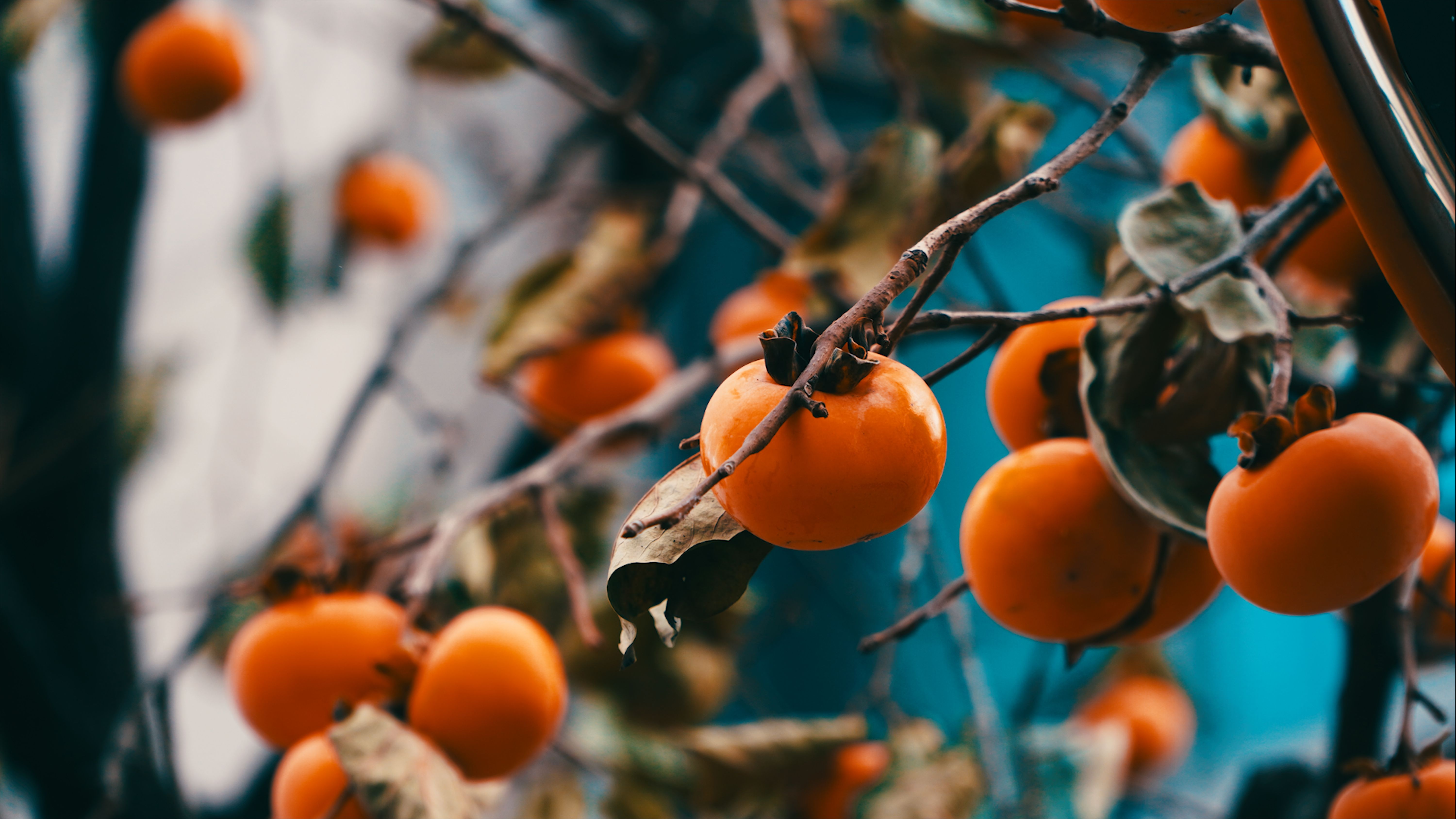
California native. Outstanding ornamental value — architectural branching, brilliant orange fall fruit, dramatic winter silhouette. Self-fertile. Harvest October–November after first frost softens fruit. Zero spray program required. Tolerates San Diego clay and periodic drought.

California native, largest edible fruit of any North American native. Banana-custard flavor, August–September harvest. Thrives in dappled shade — one of few fruit trees that produces under partial canopy. Requires two different varieties for cross-pollination. No spray program.
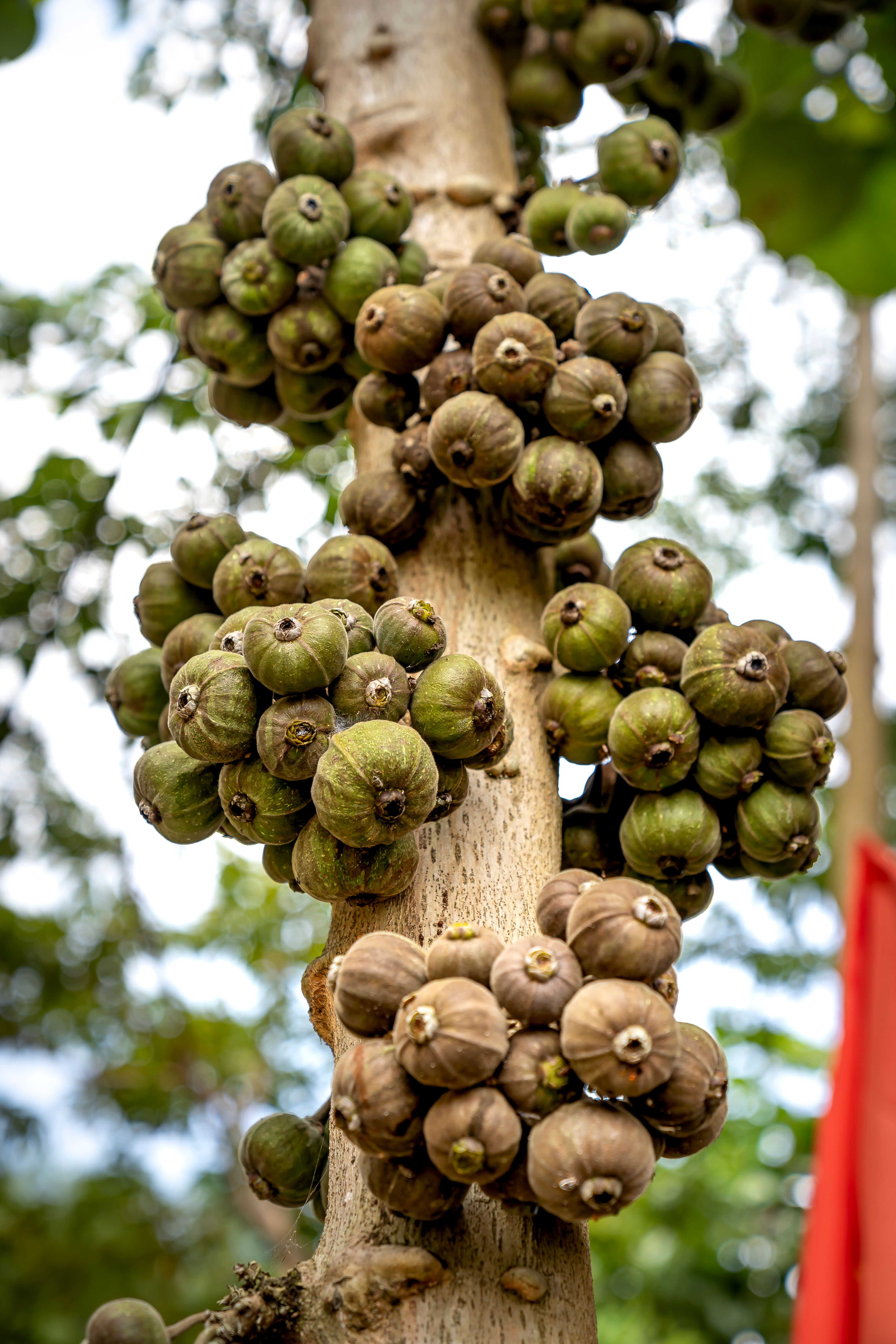
Most cold-hardy fig variety for coastal Southern California. Two crops per season (June breba crop, August–September main crop). Excellent as espalier on south-facing fence or wall — architectural and maximally productive. Self-fertile. Protect roots with heavy mulch in hard freezes.
BERRY SHRUBS
FOR San Diego.

Requires acid soil amendment (pH 4.5–5.0) in San Diego. Best results in raised beds with pine bark amendment — native soil pH of 6.0–7.0 causes chlorosis and decline. Two compatible varieties needed for cross-pollination and maximum yield. Spring flowers, exceptional fall color. Plant 'Bluecrop' + 'Blueray' together.

California native, extremely productive in San Diego conditions. Large white flower clusters in June (elderflower), heavy black berry clusters August–September (elderberries). Self-fertile but more productive with two plants. Grows 6–10 feet quickly. Berries must be cooked before eating — excellent for syrup, jam, wine. Tolerates wet soil.

Native to eastern North America. Outstanding ornamental shrub — white flowers in spring, dark green summer foliage, brilliant crimson fall color equal to any ornamental shrub. Small black berries August are extremely high in antioxidants, astringent fresh but excellent juiced or dried. Tolerates San Diego clay, drought, and wet conditions. Very low maintenance.
TOP PERFORMERS:
SAN DIEGO VEGETABLES.
These are the vegetables that consistently produce best in San Diego's specific conditions — coastal Southern California heat, high humidity, and the spring and fall cool-season windows on either side of a brutally hot summer.
Best San Diego varieties: 'Celebrity' (disease package), 'Sweet 100' cherry, 'Cherokee Purple' heirloom. Transplant May 1–15. Drip irrigation mandatory to prevent blossom end rot and foliar disease. Provide afternoon shade in July–August to maintain fruit set above 95°F.
Kale, spinach, Swiss chard, lettuce, and arugula all perform exceptionally in San Diego's spring and fall windows. Kale and chard typically survive San Diego winters with minimal protection. Start fall greens September 1 for harvest through November–December.
Bush beans: succession plant every 3 weeks May–July for continuous harvest. Summer squash: most productive San Diego vegetable by weight per square foot. Plant zucchini mid-May, expect harvest in 50 days. Hand-pollinate in morning when plant density slows bee activity.
Fall-planted garlic is San Diego's easiest, highest-value vegetable. Plant October 15–November 1 (softneck varieties for San Diego's mild winters), harvest June when lower leaves brown. 4 oz investment yields 3–4 lbs per planted area. Overwintering onions similarly trouble-free.
PERENNIAL HERBS
FOR San Diego.
These herbs overwinter in San Diego without protection and return year after year — the permanent foundation of any San Diego edible landscape.
Fully hardy in coastal Southern California. Creeping varieties double as ornamental ground cover. Drought tolerant once established. 10-year lifespan with minimal care.
Marginally hardy coastal Southern California — dies in severe San Diego winters. Site against south-facing wall for protection. 'Arp' variety is most cold-hardy for San Diego. Stunning when grown as a specimen shrub.
Fully hardy, early spring emergence. Purple flowers in April are edible and attractive to early pollinators. Divide every 3 years. Both leaf and blossom are culinary.
Hardy and ornamental — grey-green foliage is attractive year-round. Trim back hard in spring to prevent woodiness. Purple sage and tricolor sage equally hardy and more ornamental.
DESIGN YOUR
EDIBLE YARD.
Free 60-minute site assessment. We'll help you choose the right plants for your specific San Diego property.